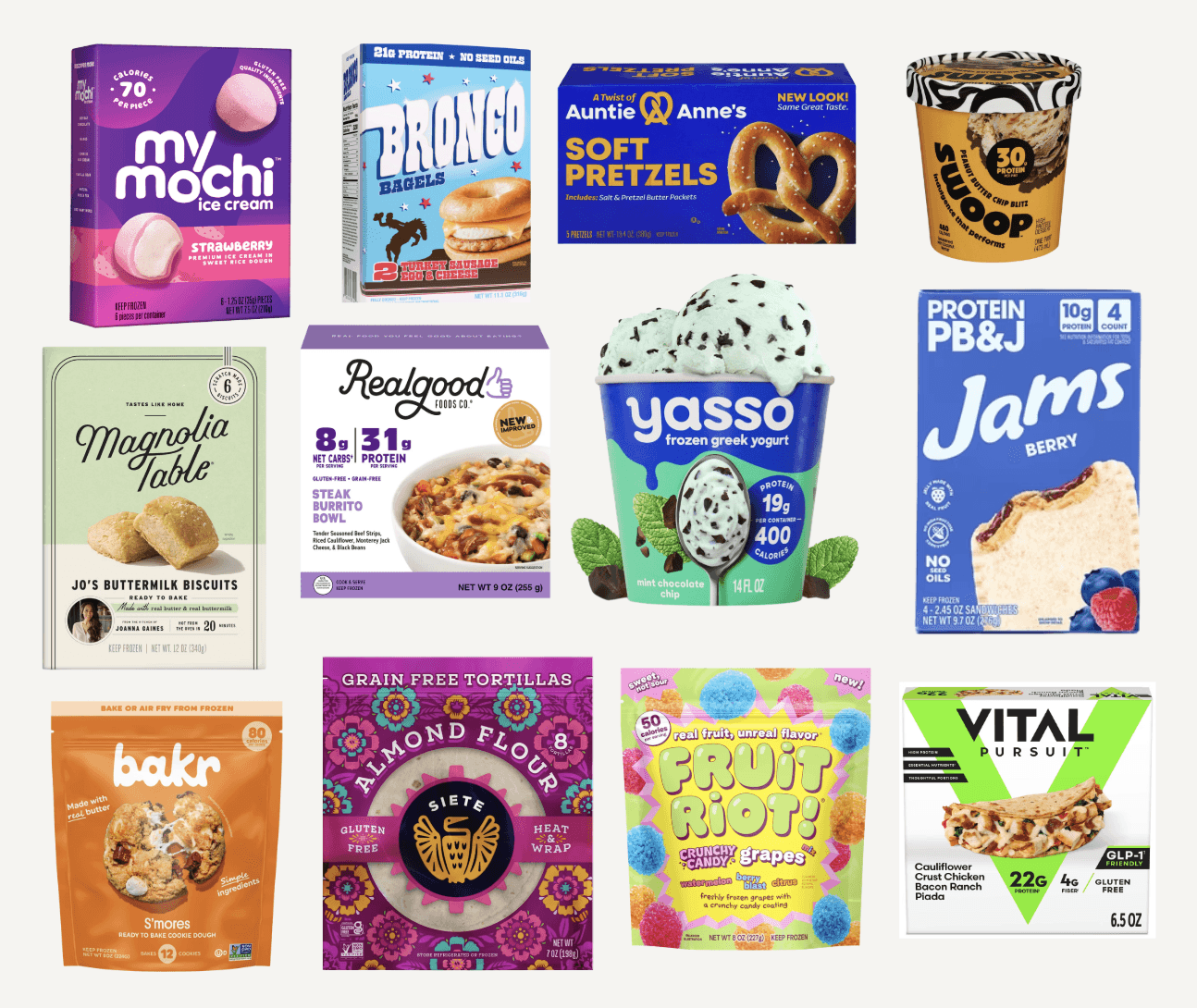
The headline most founders missed this spring wasn't an earnings number. It was a real estate plan.
In 2026, the three largest off-price retailers are collectively opening more than 370 new stores. TJX is adding 146 net new locations across T.J. Maxx, Marshalls, HomeGoods, and Sierra. Ross is opening 110, roughly 5% unit growth. Burlington is adding 115 more, plus a new distribution center in Savannah, Georgia. TJX's CEO has gone further, telling investors the company sees long-term potential to grow to 7,000 stores under its existing banners.
For a brand founder, the temptation is to read this as a story about commercial real estate. It isn't. It's a story about sourcing. And it changes the math on a channel most founders still misunderstand.
More Doors Means More Open-to-Buy
Every new store an off-price retailer opens has to be filled. Not with private label. Not with house brands. With real, recognizable products that shoppers walk in hoping to find at a discount. That's the entire model. Off-price works because it sells genuine brands at genuine markdowns, and the treasure-hunt experience depends on those brands being there.
So when TJX, Ross, and Burlington expand their footprints at this pace, they are also expanding their open-to-buy. The buyers need more product flowing through the pipeline, not less. A growing store count is not a threat to emerging brands. It is one of the clearest demand signals in retail right now.
And the financials say this expansion is built on strength, not hope. TJX reported first-quarter comparable sales up 6%, a 12.0% pretax profit margin, and earnings per share up 29% year over year, then raised its full-year guidance. Retailers don't add hundreds of doors into weakness. They add them when the model is working. The same strength is showing up in market-share data, where off-price is pulling shoppers directly out of mainstream retailers.
There Is No "Window" to Miss
Here is the single most common mistake founders make about off-price, and it costs them real opportunities: they assume there's a seasonal buying window, a deadline, a category review like the one grocery runs.
There isn't.
Off-price buyers at TJX, Ross, and Burlington source something every single day of the year. They make two kinds of decisions continuously: immediate-ship buys for closeouts, overstock, and in-season replenishment, and product-development buys for custom-spec'd merchandise built for a future season. Both happen all year. There is no September cutoff. There is no Q3 deadline.
That means the urgency for a founder is real, but it never comes from the buyer's calendar. It comes from three places that are entirely on your side of the table:
→ Product development lead times. If you need a custom pack for spring 2027, the manufacturing clock has already started.
→ Competitive crowding. Every week you're not in the conversation, a competitor is filling the slot you wanted. The shelf doesn't wait for you.
→ Inventory pressure. If you're sitting on stock that won't move at full price, that pressure is yours, not the buyer's. Walking in from a position of strength beats walking in from a position of need.
Off-Price Is a Discovery Channel, Not a Dumping Ground
The other misconception worth killing: off-price is not where brands go to clear excess inventory and quietly disappear. Inventory clearance is one valid use case. It is never the headline.
The better way to understand off-price is as a low-CAC discovery channel. It puts your product in front of a mass-affluent shopper who is actively hunting, at a fraction of the customer-acquisition cost you'd pay on paid social. The off-price shopper isn't trading down out of desperation. The customer base is growing across every income level, and those shopping habits tend to stick. Trading down is temporary. An off-price habit is permanent.
That's also what separates off-price from dollar stores, which founders sometimes lump together. A brand that lands at Burlington is building equity through branded discovery. A brand that lands in a dollar-store channel built on private label often strips it. The two are not the same shelf, the same shopper, or the same outcome.
And the real win in off-price isn't the first purchase order. It's the reorder. A brand that sells through gets restocked, and restock economics are where the channel actually pays off. The first PO is a test. The repeat program is the business. For the channel-by-channel version of this argument, see our related insights on retail growth strategy.

Latest in Off-Price